Practical guidance for handling extreme household clutter — including waste sorting, container services, and professional support.
Clearing out a hoarder's apartment is a sensitive and often challenging task. Extreme clutter can pose health risks, block everyday living spaces, and create emotional strain for those affected and their families. With the right approach — and often with the help of professionals — even severely cluttered apartments can be restored to safe and livable conditions.
Below, we explain what hoarder's disorder syndrome is, what to expect during a clean-out, and which steps help make the process efficient and manageable. We also outline how to dispose of waste properly and why container services can greatly simplify the work.
What Is Hoarder's Syndrome?
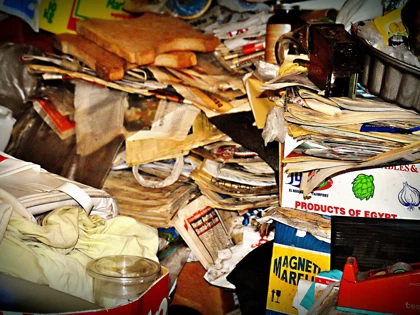
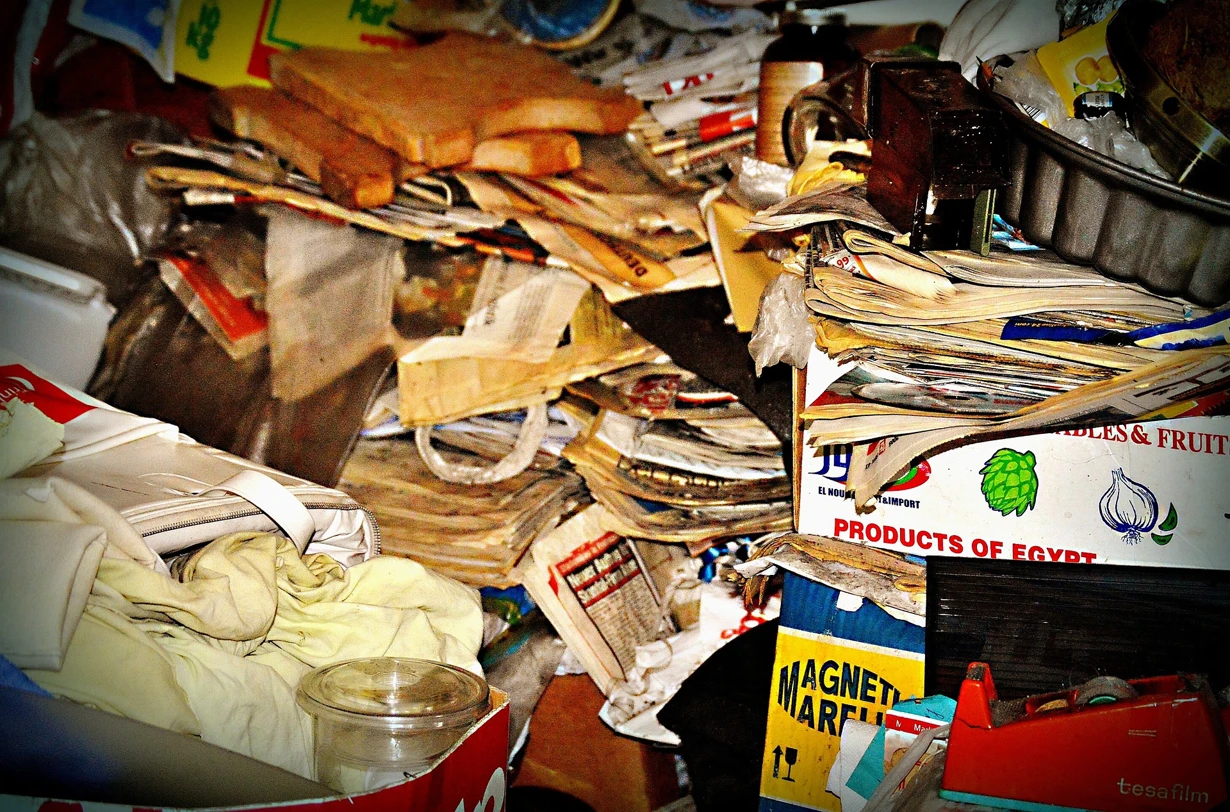
Hoarder's disorder syndrome is a psychological disorder that leads individuals to compulsively collect and keep items, often without distinguishing between valuable and useless objects. Over time, living spaces can fill up with belongings, household waste, and objects of no apparent use. This may cause:
- blocked living and hygiene areas
- mold growth and pest infestations
- strong odors and contamination
- significant limitations in daily life
- social isolation
The condition often begins early in life and can intensify with age. Studies estimate that 2–6% of the population may be affected. Men and women are equally represented.
What Does Cleaning Out a Hoarder's Apartment Involve?
The process can be physically demanding, time-consuming, and emotionally delicate. Affected individuals or relatives often benefit from professional clearing-out services, who support:
- waste removal and sorting
- secure handling of contaminated material
- basic cleaning and disinfection
- transportation and disposal
- coordination with therapists or family, if needed
The time required varies strongly depending on the level of clutter, contamination, accessibility, and the size of the home. As a rough estimate, clearing a 50 m² apartment may take several days to a full week.
Typical Types of Waste Found in the Hoarder's Homes
The waste found in hoarder's apartments is similar to that of a normal household — but often in extreme amounts. Common categories include:
- household waste such as food leftovers and packaging
- newspapers, magazines, bills, flyers
- clothing — unworn, damaged, or stored in large quantities
- books, glassware, porcelain, furniture
- electronics and electrical appliances
- items collected compulsively (e.g., yogurt cups, beer coasters)
In some cases, animals may also be present, contributing to contamination and requiring additional cleaning measures.
What Does a Clean-Out Cost?
Costs vary significantly and depend on:
- the size and condition of the apartment
- the amount and type of waste
- accessibility (stairs, elevators, parking for containers)
- additional services such as pest control or mold removal
Thorough cleaning, odor removal, and the safe disposal of certain materials may add extra costs. Large or heavy items sometimes require special equipment or tools.
5 Steps for a Clean Apartment as an Infographic (PDF)
Five Recommended Steps for Clearing Out a Hoarder's Apartment
1. Get an Overview
Assess all rooms and note what types of waste or contamination are present. This determines how much support and equipment you will need.
2. Order a Waste Container
A container placed near the building simplifies the disposal process — ideally allowing waste to be thrown out directly from a window or via short routes. Containers can be booked online (e.g., through FCC online services) and must be registered with local authorities if placed on public ground.
3. Start With Large Items
Remove bulky furniture or large objects first. Set aside important personal items such as documents, photos, or valuables.
4. Sort and Dispose of Waste Properly
Separate materials into categories (paper, plastics, household waste, bulky waste, e-waste, hazardous materials). Sorted waste speeds up disposal and reduces environmental impact.
5. Clean and Disinfect the Apartment
After the removal phase, the space can be cleaned and disinfected. Depending on the situation, specialists may be needed to handle mold, pests, or persistent odors.
How to Dispose of Waste Correctly
Clearing out a hoarder's apartment often results in large volumes of mixed waste — including items that cannot be disposed of in regular household bins. To ensure proper waste management:
- Prepare an inventory of items and rubbish
- Sort waste into separate fractions
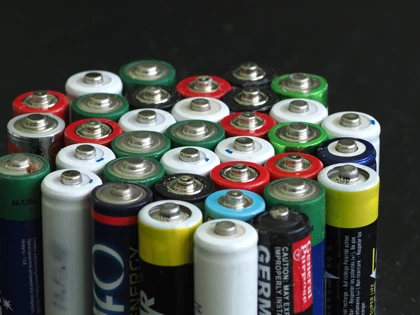
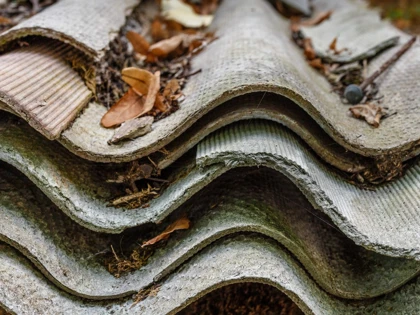
- Identify hazardous waste (batteries, chemicals, electronics)
- Use local recycling centers for special materials
- Order a container for bulky or mixed waste
Containers typically range from 3 m³ to 40 m³. They are delivered directly to the location and collected once the work is finished.
By entering your postal code when ordering online, you receive tailored offers from regional service providers and can select the most suitable option.
Conclusion
Clearing out a hoarder's apartment is a complex but manageable process when approached step-by-step. Professional services, proper waste sorting, and the use of containers greatly reduce the workload and ensure environmentally sound disposal. With the right support, even severely cluttered spaces can be transformed back into safe and livable homes.
Listen to the Podcast in the German original
Listen to the AI-generated English translation