Composting – controlled biological treatment of organic waste
Composting is a natural yet technologically advanced process in which organic waste is transformed into compost under controlled conditions. At FCC Environment CEE, composting is a core waste treatment technology that enables the safe and efficient recovery of organic material.
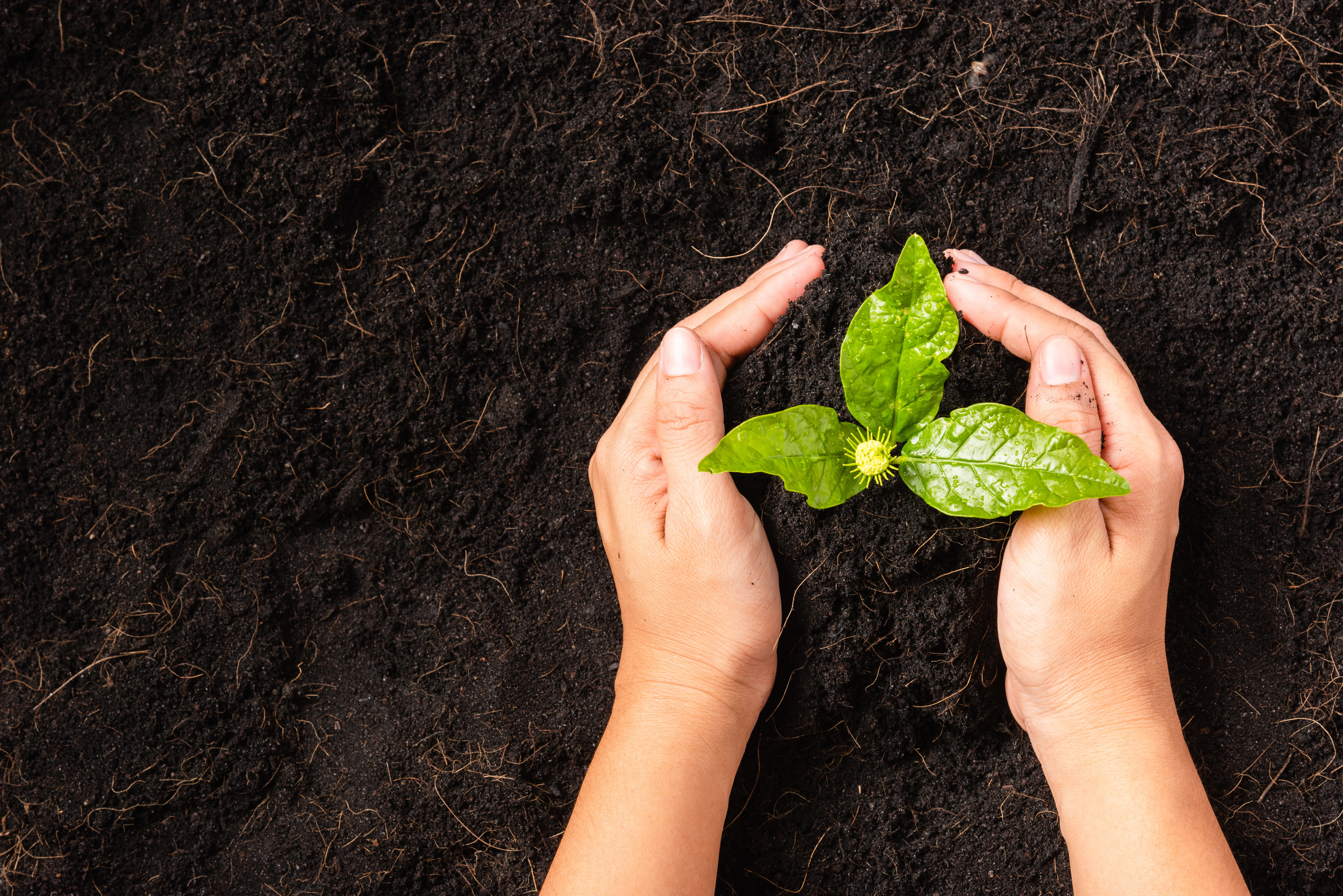
How composting works
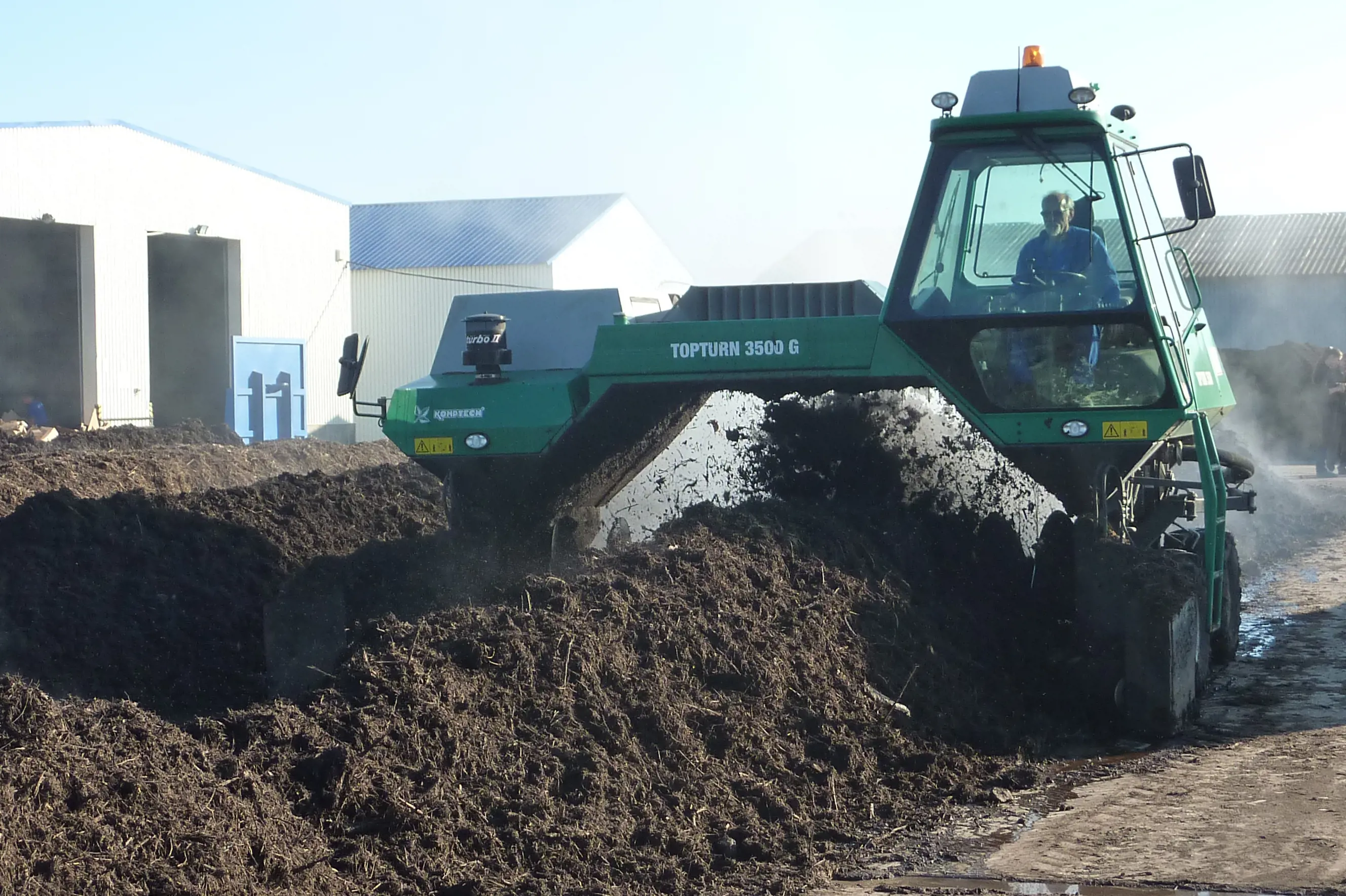
Composting relies on aerobic biological processes driven by microorganisms such as bacteria and fungi. At FCC facilities, the process occurs in composting tunnels or on controlled outdoor platforms, depending on the site and the input material.
To ensure consistent quality and hygienic safety, the process is continuously monitored and managed. Key parameters include:
- a balanced carbon-to-nitrogen ratio,
- sufficient aeration,
- optimal moisture levels,
- temperatures between 55–70 °C during the active phase for hygienisation.
Input materials for composting
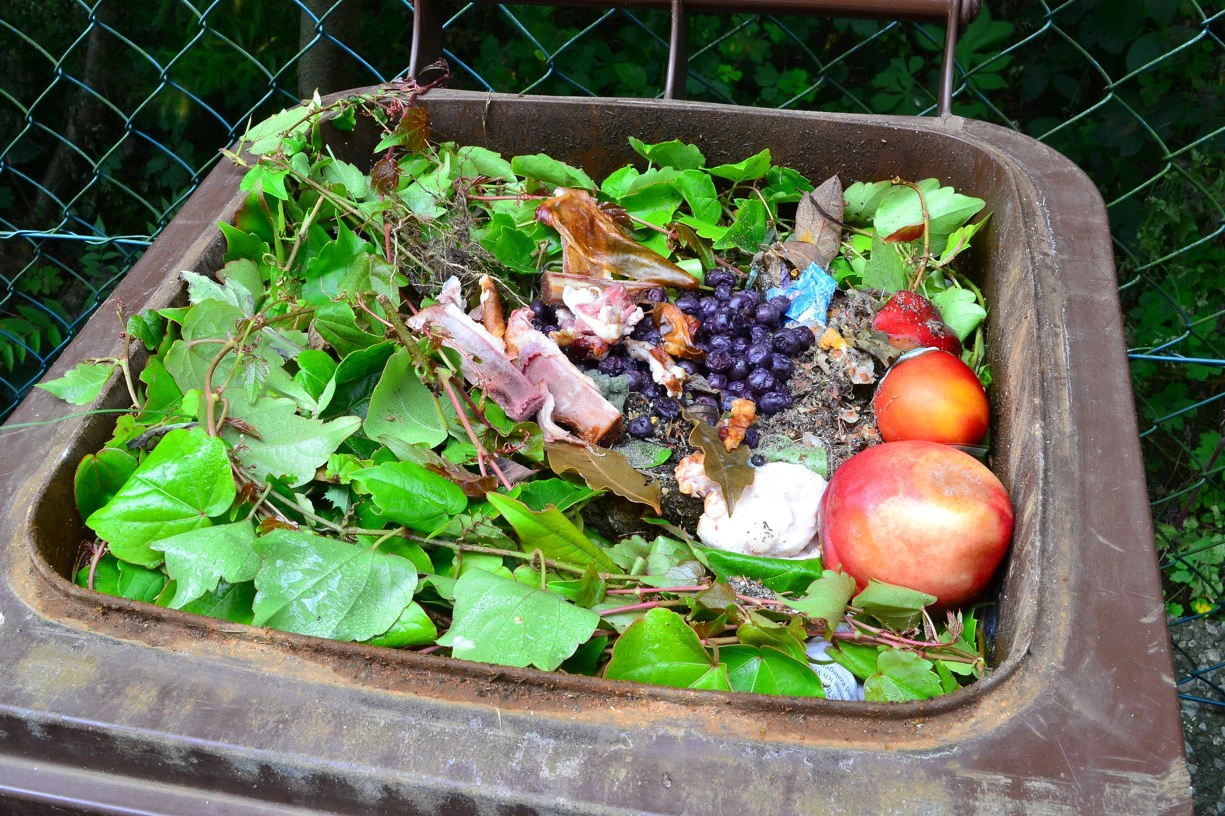
FCC composting facilities process locally collected biowaste, including:
- food and kitchen waste,
- green waste from gardens and parks,
- plant residues and biodegradable materials.
Materials unsuitable for composting—such as non-biodegradable waste, chemically treated materials, or hazardous substances—are strictly excluded.
Quality assurance and compliance
Unlike uncontrolled or informal composting, FCC composting is fully aligned with national and European regulations. Each facility operates under permits and quality standards that define:
- accepted input materials,
- processing conditions,
- monitoring and testing requirements,
- final compost parameters.
This ensures that compost leaving FCC facilities is safe, stable, and suitable for further use.
Composting facilities across CEE
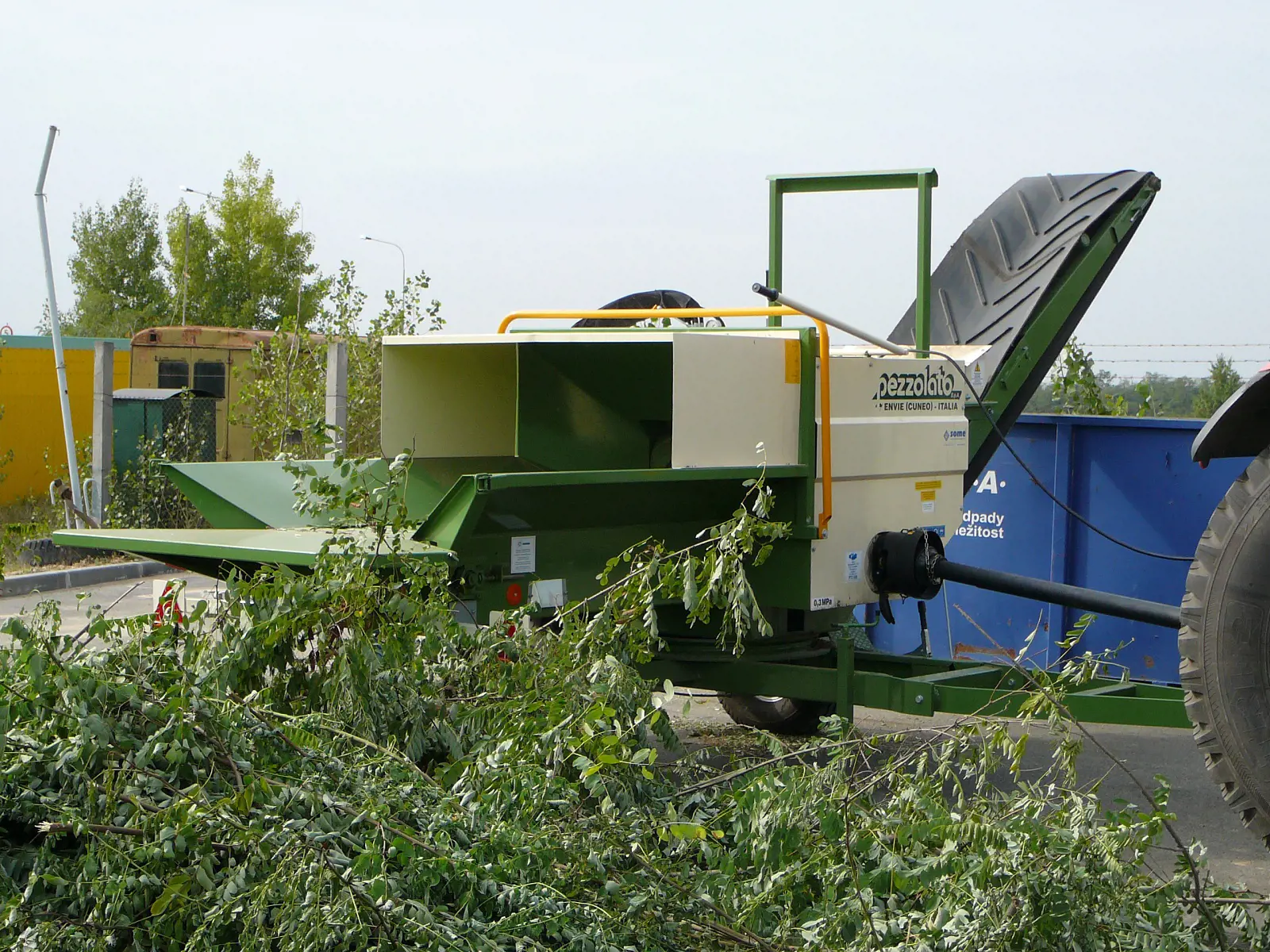
Composting plant in Žabčice (CZ)
Composter in Hodmezovársárhely (HU)
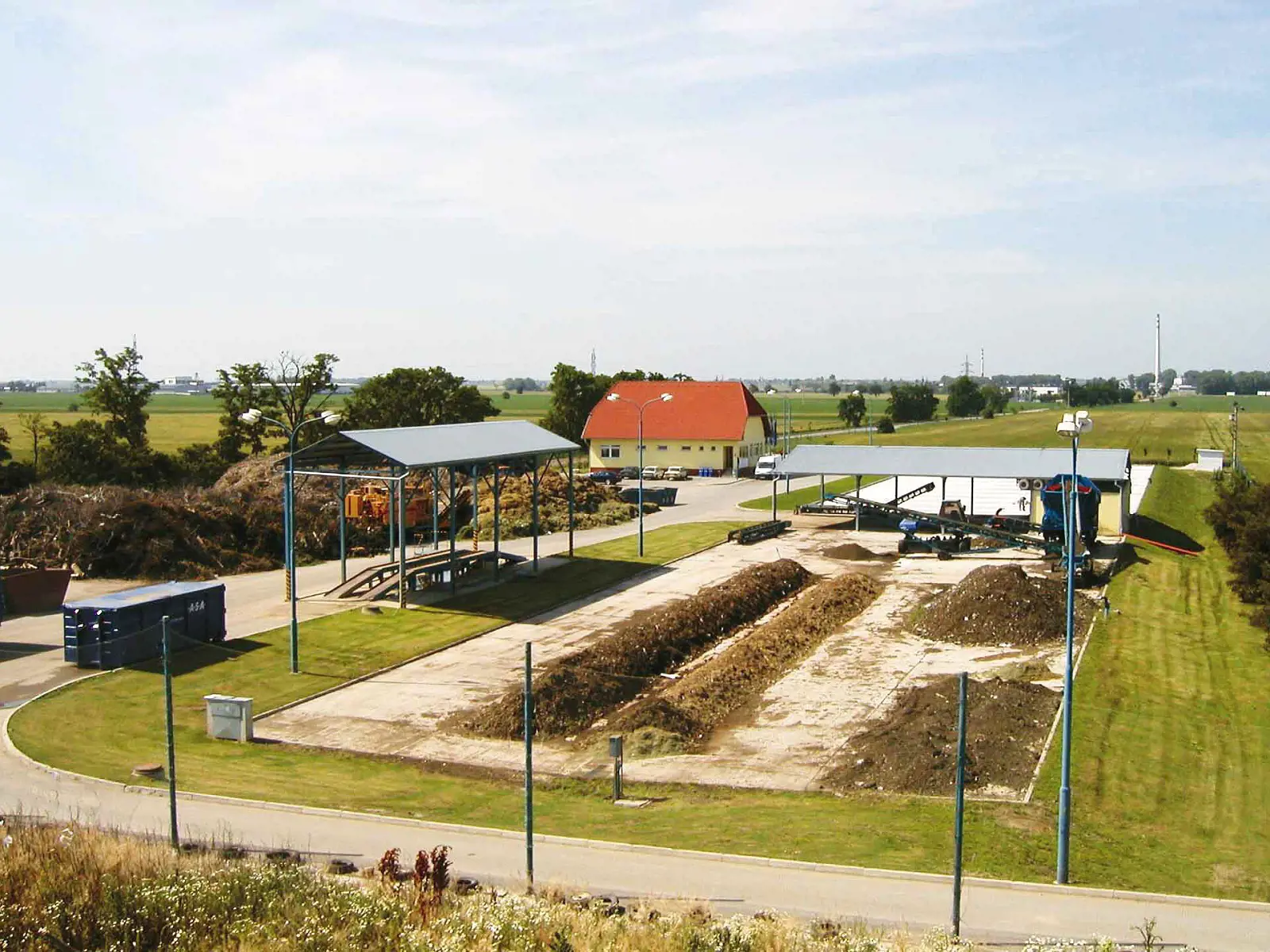
Composting plant in Trnava (SK)
_ev_recognition.png?width=606&height=455)