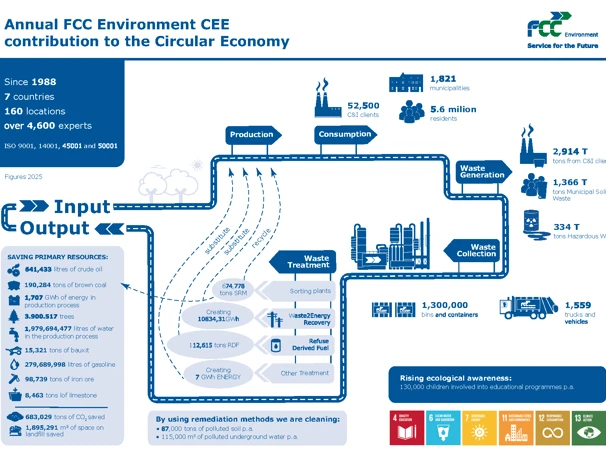
WtE technology as part of the circular economy
Waste is no longer seen as something finite and unnecessary, its potential for recovery and return to circulation, whether in the form of "new" materials obtained through recycling or in the form of energy, is growing and ever new methods are being found to make the most of it.
Through its legislative requirements the EU is also pursuing a strategy of maximising the recovery of waste, including a ban on landfilling. Because not all waste can be recycled back into circulation, other methods of waste treatment need be used and WtE technology is also to be considered as part of the circular economy. This will be for at least the next ~20 years, with products increasingly being designed so that most input materials can be collected separately and recycled.
Energy - the essence of life
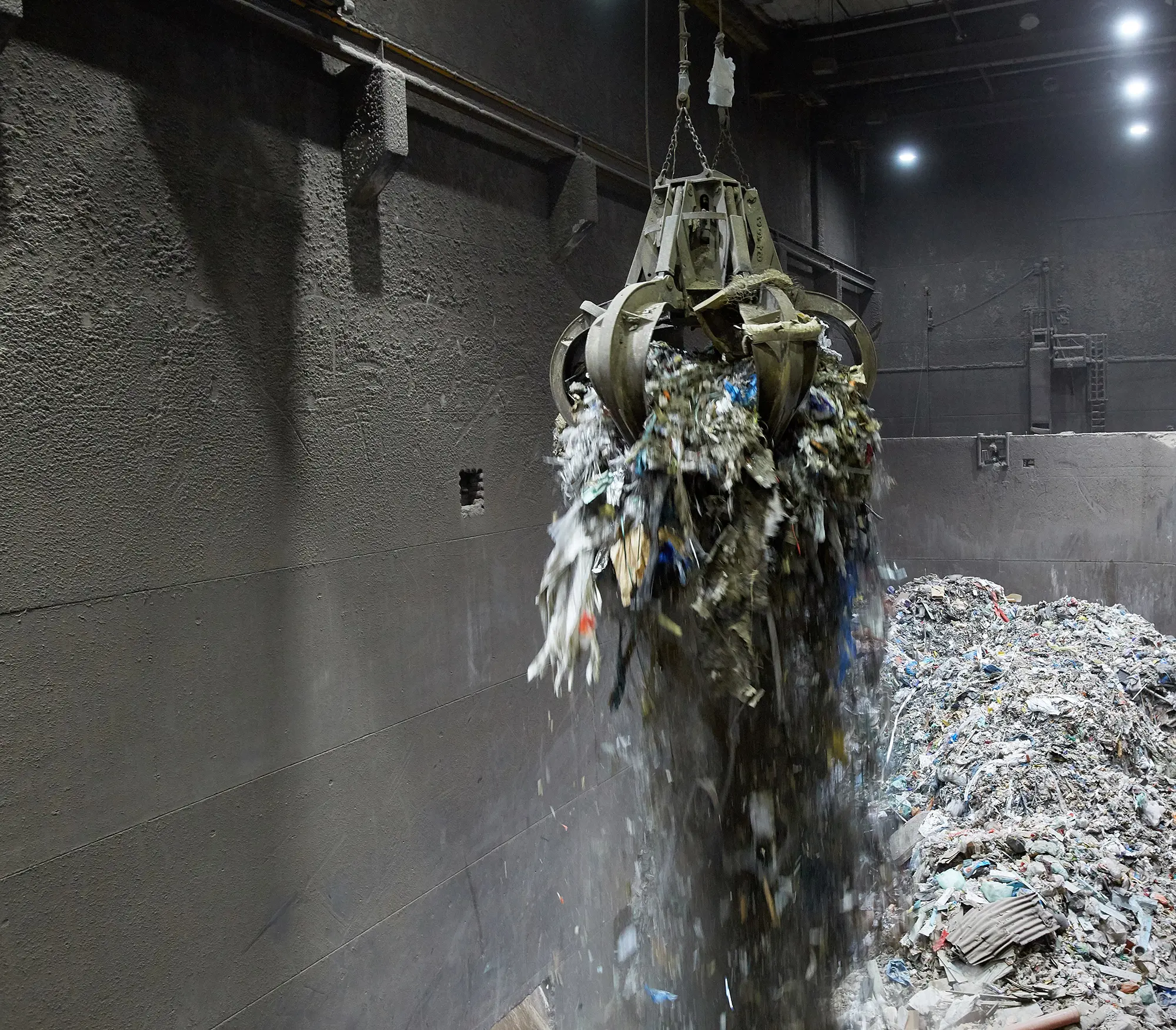
Society and the economy are driven by energy - energy is the essence of life. Since primary sources of fossil fuels are limited, waste is becoming increasingly important as an alternative energy source. Waste as part of the energy mix is indispensable for the sustainable and safe supply of energy. The high energy content of waste is comparable with that of lignite and is predestined for energetic utilisation.
Always in the context of legislation, we want to utilise the waste we collect in households, trade and industry, to transform and return it to the resource cycle through treatment also by generating energy from it. Incineration is one of the most sophisticated methods used to turn waste into energy for households and industrial enterprises, by recycling the useful materials in the waste.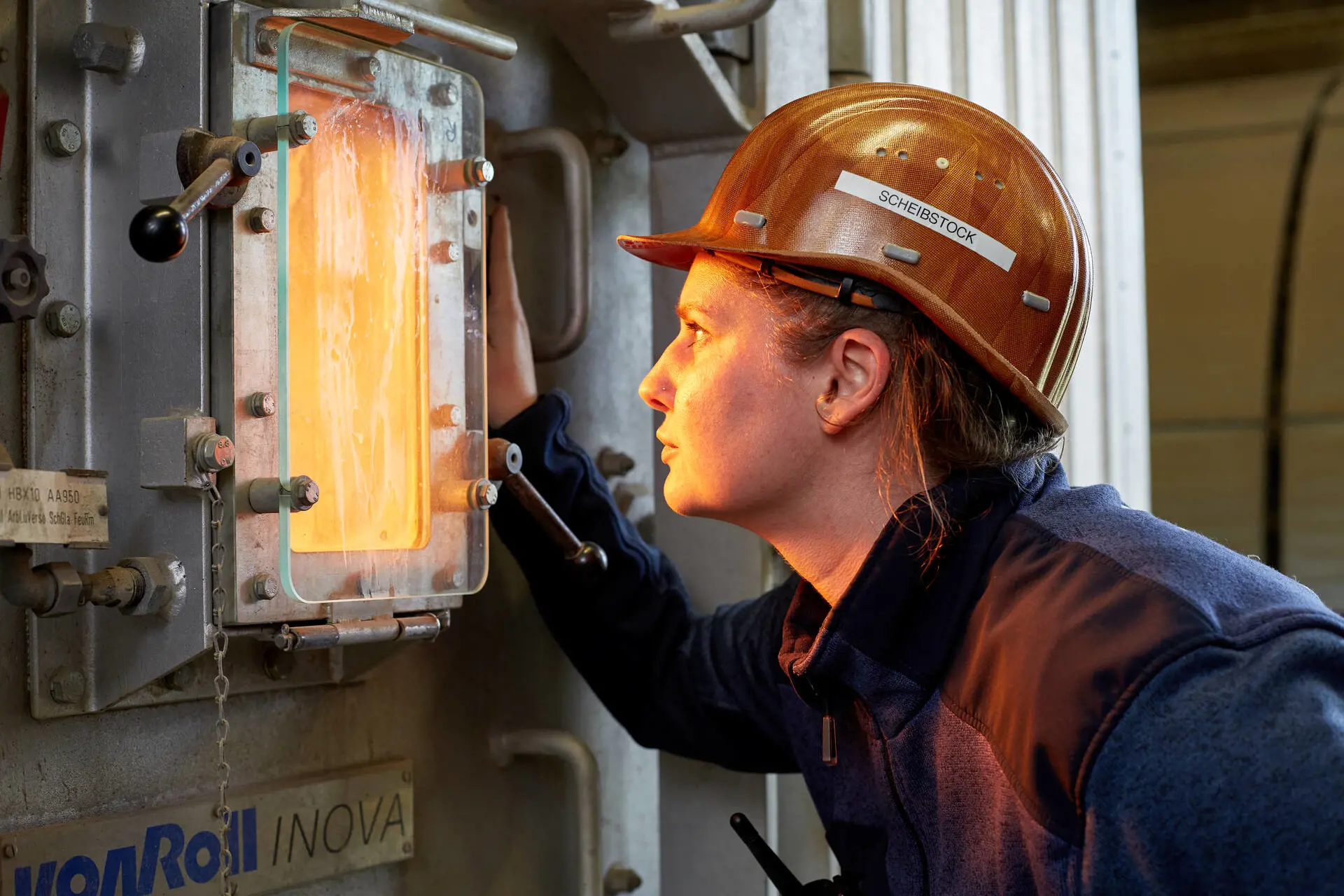
Our approach
Our approach is to prioritise recycling and material recovery wherever technically and economically feasible. Where waste cannot be recycled, other treatment options may be applied, including energy recovery.
Waste that is not suitable for recycling can be used as a fuel at Waste-to-Energy (WtE) facilities or processed into Refuse Derived Fuel (RDF) for use in authorised industrial installations.
In line with the objectives of EU waste legislation and circular economy policies, priority is given to waste prevention, reuse, recycling, and recovery. However, certain waste streams may still require disposal where no suitable recovery option is available. FCC CEE also operates landfill-gas recovery systems at selected landfill sites, enabling the use of landfill gas for energy generation.
When developing new Waste-to-Energy facilities, FCC CEE seeks to enable the recovery of both electricity and heat, where technically and economically viable, in order to support efficient utilisation of the energy contained in residual waste.
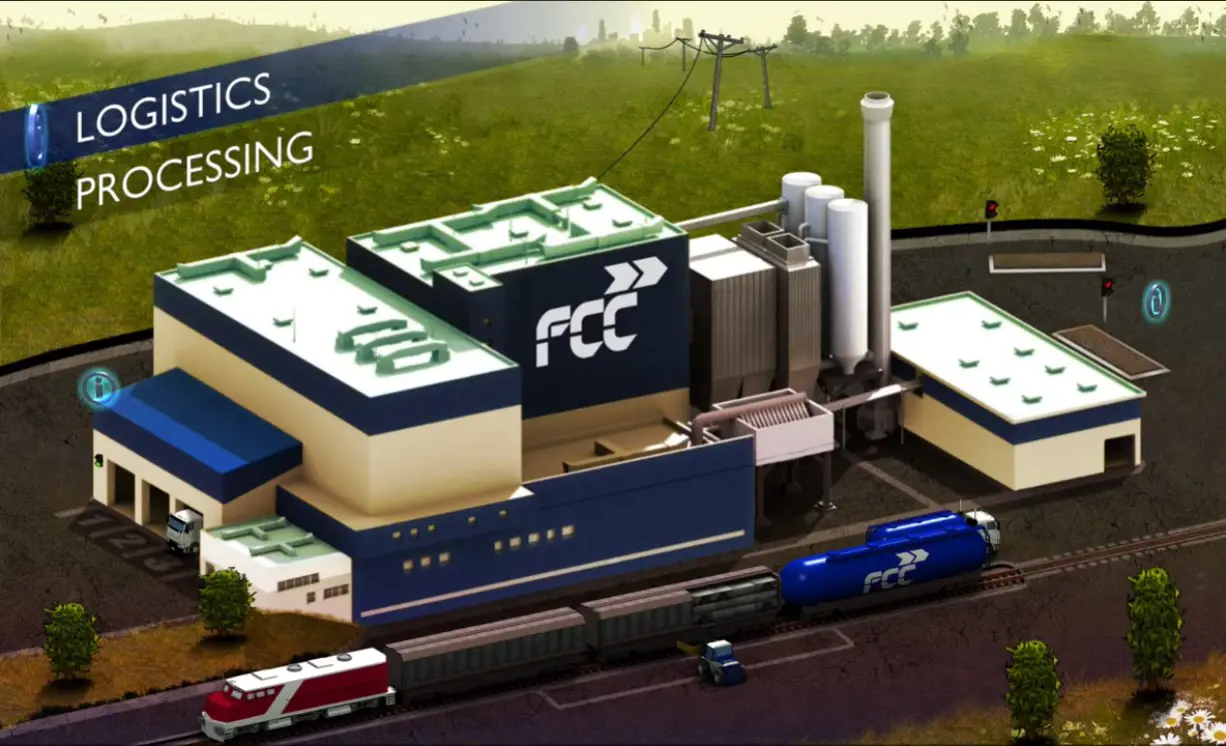
Our W2E facilities

_ev_recognition.png?width=606&height=455)