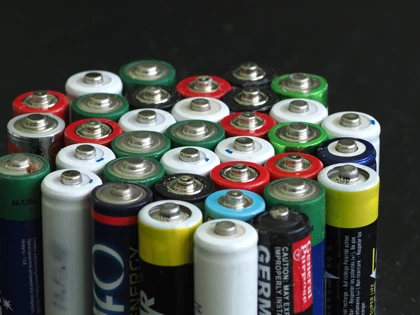
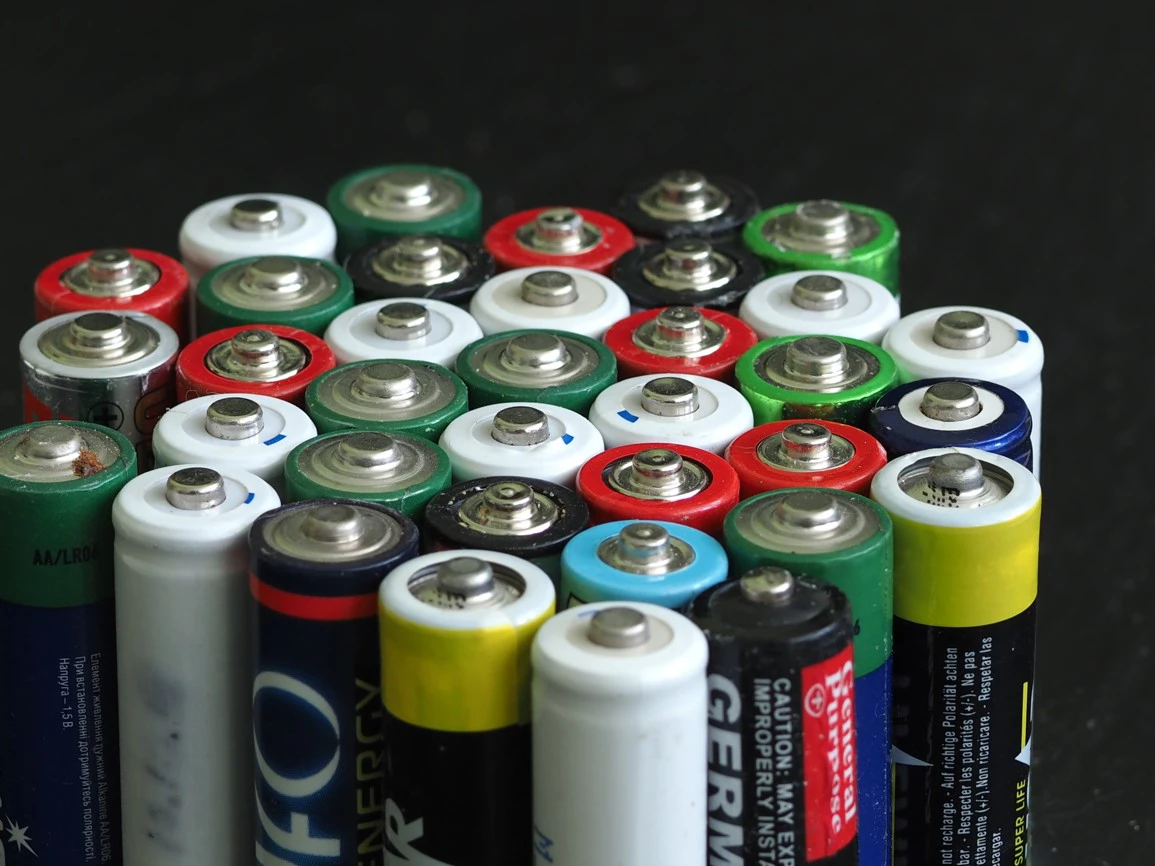
A used battery may be small and light, but when disposed of incorrectly, it can cause serious environmental and safety risks. Throwing batteries into mixed waste is one of the most common mistakes—and one of the most dangerous.
Why can batteries cause fires?
Many used batteries, especially lithium‑ion ones, still contain residual energy. When they end up in mixed waste, they are often crushed in collection trucks or damaged on sorting lines. If the casing is breached, a short circuit can occur, which may lead to ignition. In recent years, waste management facilities have seen a growing number of fires, with improperly discarded batteries among the most frequent causes.
A single fire in a waste treatment plant can endanger workers, disrupt waste collection services, generate high repair costs, and release harmful emissions into the air. One incorrectly disposed battery can therefore trigger a chain reaction affecting the entire waste management system in a municipality.
What happens when a battery enters the environment?
Batteries contain heavy metals and hazardous substances such as lead, cadmium, mercury, or nickel. When exposed to moisture and soil, these substances can slowly leak into the ground and groundwater. It is estimated that one used battery can contaminate hundreds of litres of water—pollution that is extremely difficult and costly to reverse.
Contaminated soil and water pose long‑term risks not only to ecosystems, but also to human and animal health.
How should used batteries be handled?
The rule is simple: batteries must never be thrown into mixed waste or any recycling fraction.
Instead, they should be:
- returned to dedicated battery collection containers in shops or schools,
- taken to a municipal waste collection point or collection yard,
- stored safely at home in a dry place until they can be handed in.
For lithium batteries, covering the terminals with tape is recommended to reduce the risk of short circuits during storage and transport.
Small waste, big responsibility
Waste management is a system where every decision matters. Safety, continuity of services, and environmental protection all start at home. A used battery does not disappear once it is thrown away—it enters a complex process that requires control and responsibility.
Properly disposing of batteries is a simple action that significantly improves safety and helps protect the environment.