From identifying individual materials to improving the quality of recovered resources, optical sorting is becoming increasingly important in modern waste treatment. At FCC Śląsk’s facility in Zabrze, Poland, a new sorting line shows how advanced technology can support more efficient material recovery and improve alternative fuel quality.
Why optical sorting matters in modern waste management
Waste is not a uniform material. A stream of mixed municipal or packaging waste can contain different types of plastics, paper, cardboard, and other materials, each with different properties and recycling potential. Recovering these materials requires more than simply separating waste by size or weight. It also requires identifying what individual items are made of.
This is where optical sorting technology comes in
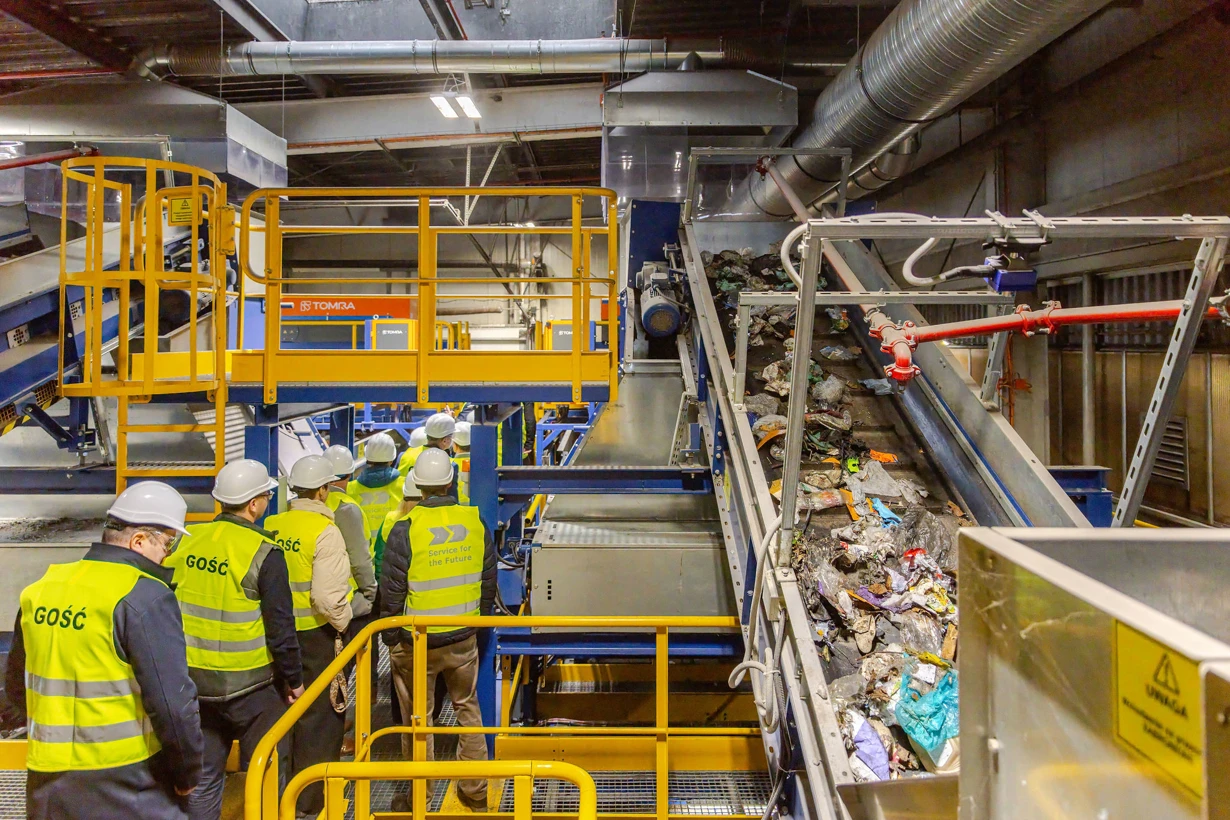
Optical sorters use sensors to recognise specific materials as they move along a conveyor belt. Based on the information collected, the system can separate selected fractions from the main waste stream. This makes it possible to recover materials that would otherwise remain mixed with other waste.
Optical sorting does not replace the entire sorting process. Instead, it complements mechanical separation and manual quality control, helping treatment facilities achieve a more precise and consistent output.
For waste management operators, the objective is twofold: to recover more materials suitable for recycling and to improve the quality of the remaining fractions, including those used to produce alternative fuel.
How does optical waste sorting work?
The technology combines optical sensors, computer-based material recognition, and automated separation mechanisms. Although the process takes place at high speed, it follows a straightforward principle: identify the material, determine whether it meets the sorting criteria, and separate it from the rest of the stream.
1. Preparing the waste stream
Before optical sorting begins, waste passes through the necessary pre-treatment stages. Depending on the installation and the type of waste, these may include screening, size separation and other mechanical processes.
The aim is to prepare a sufficiently consistent flow of material so that individual items can be presented to the optical sensors on a conveyor belt.
The way the waste is prepared and distributed is important. Even advanced sensors depend on suitable operating conditions to identify materials reliably.
2. Recognising materials with optical sensors
Two technologies play an important role in optical sorting: near-infrared spectroscopy (NIR) and visible-light sensing (VIS).
Near-infrared spectroscopy (NIR) analyses how materials interact with near-infrared light. Different materials have characteristic spectral responses, which can help the system distinguish between types of plastics and other target materials.
Visible-light sensors (VIS) analyse reflected light in the visible spectrum. Depending on the system and its configuration, this information can help distinguish materials based on their visual characteristics, such as colour.
The sensors collect information about material passing along the conveyor. The system processes this information and identifies items that match its configured sorting criteria.
NIR and VIS perform complementary functions. Their use allows a sorting line to combine information about the material itself with visible characteristics, depending on the application and the capabilities of the installed equipment.
3. Separating the selected fractions
Once a target material has been identified, the system tracks its position as it moves along the conveyor.
At the designated separation point, precisely timed jets of compressed air divert selected items from the main waste stream into a separate fraction. Other materials continue along the conveyor for further treatment or recovery.
The result is a more targeted separation process. The configuration can be adjusted to suit the material being processed and the desired output.
4. Monitoring and optimising the process
Optical sorting is not a one-time technical setup that works identically under all conditions. Waste composition varies, and the performance of a sorting line depends on factors such as material presentation, contamination, equipment settings, and the quality requirements of the recovered fractions.
Operators therefore play an important role in monitoring the process, adjusting settings and checking output quality.
Technology provides greater automation and consistency, while operational expertise ensures that the system is used effectively.
Three optical separators at FCC Śląsk in Zabrze
On 20 October 2026, FCC Śląsk officially opened a new optical sorting line at its waste treatment facility in Zabrze, Poland. The investment expands the facility’s technological capabilities and supports the recovery of materials for recycling.
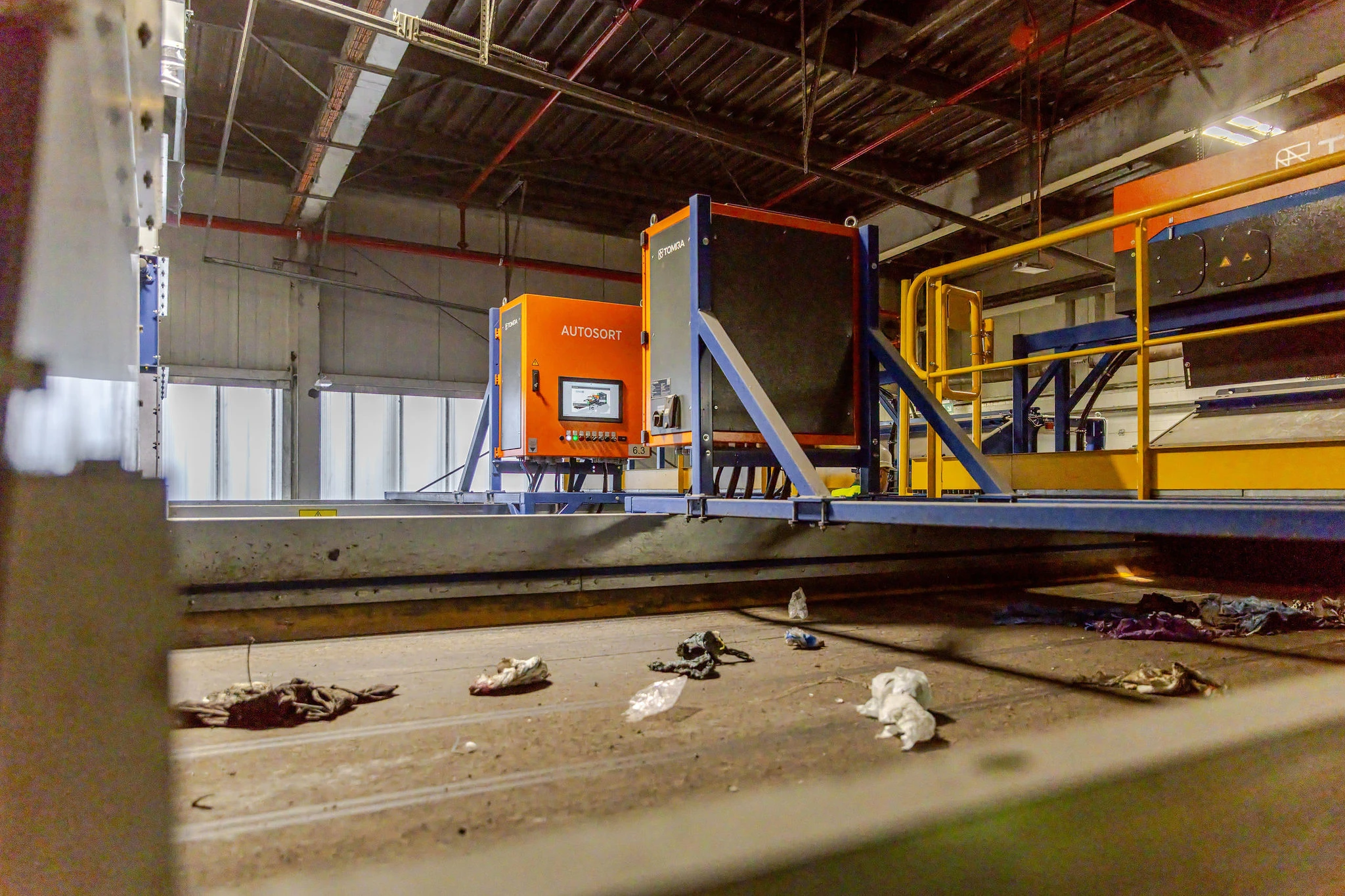
The line is equipped with three TOMRA optical separators using NIR and VIS technologies. Two separators are designed primarily to recover selected material fractions, including plastics and paper. The third is dedicated mainly to removing chlorine-containing materials from the relevant waste stream to improve the quality of the alternative fuel produced at the facility.
The investment includes a complete sorting line, conveyor systems, automation and integrated process controls, as well as a compressor room supplying the compressed air required by the separators.
HUT Technika was responsible for the main construction and integration work, while TOMRA supplied the optical sorting technology.
An important feature of the installation is its configurability. The sorting equipment can be adjusted according to the composition of the incoming waste and the required output. This flexibility helps the facility respond to variations in waste streams and changing material recovery requirements.
The new line is intended to increase the recovery of plastics and paper for recycling while improving the quality of alternative fuel. The actual results depend on the composition of incoming waste, operating conditions, and the quality specifications of the recovered materials and fuel.
From recovered materials to a circular economy
The value of optical sorting extends beyond the sorting facility itself.
When plastics and paper are successfully separated and meet the relevant quality requirements, they can be directed to appropriate recycling processes. Recovered materials can then serve as secondary raw materials, reducing the need to rely exclusively on virgin resources.
At the same time, removing unsuitable materials from a waste-derived fuel stream can help improve its quality and suitability for the intended application. Alternative fuel can be used in certain industrial processes, subject to applicable technical and environmental requirements.
These two functions illustrate an important principle of modern waste management: different waste fractions require different treatment routes. The objective is to identify the best available route for each fraction, prioritising material recovery and recycling where technically and economically feasible.
Optical sorting is one tool that helps make this possible. Its contribution depends on the entire system, from waste collection and pre-treatment to sorting, quality control and the availability of suitable downstream recycling facilities.
Why correct waste separation still matters
Advanced sorting technology can improve the recovery of materials from mixed waste streams, but it cannot compensate for every problem created by poor waste separation.
When recyclable materials are collected separately and kept relatively clean, they are generally easier to process and may be more suitable for high-quality recycling. Food residues, unsuitable materials and contamination can complicate sorting and reduce the quality of recovered fractions.
This is why effective waste management requires both appropriate infrastructure and responsible behaviour at the point where waste is generated.
For households, businesses and public institutions, correct separation remains an important first step. For waste treatment operators, investment in modern sorting technology provides additional opportunities to recover materials and manage the residual waste more effectively.
Neither element works in isolation. The quality of the overall recycling system depends on how well collection, sorting and subsequent treatment work together.
Investing in the future of waste treatment
The opening of the new optical sorting line in Zabrze is part of FCC CEE’s broader development in Poland. In 2026, FCC Polska marks 25 years of activity in the country, reflecting a quarter-century of investment in waste collection and treatment infrastructure, operational experience and cooperation with businesses and local authorities.
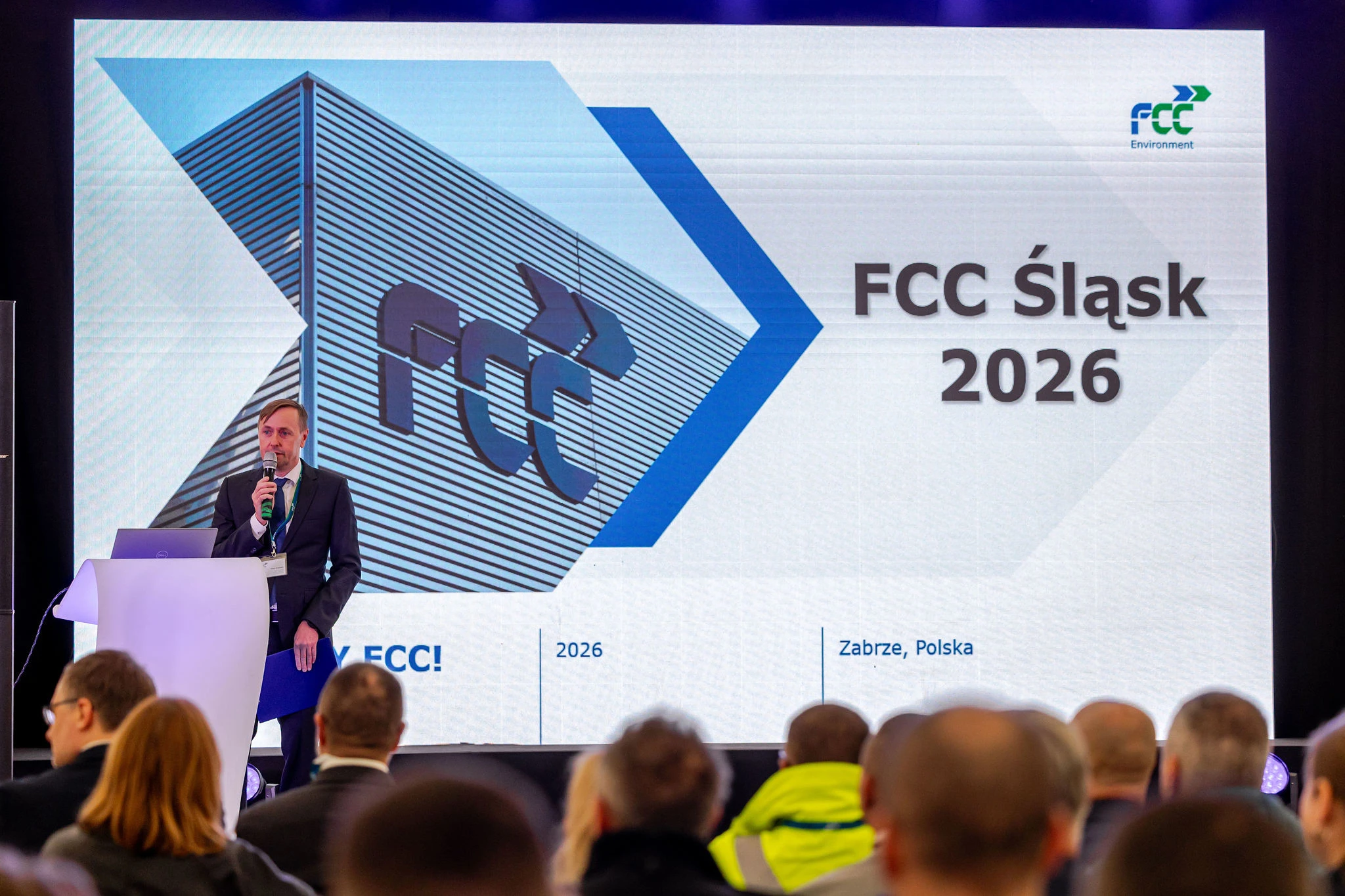
The new installation represents another step in the development of the Zabrze facility. It combines automated material recognition with mechanical separation and operational expertise to support more precise sorting, improved material recovery and better control over the quality of selected waste-derived outputs.
As waste composition, recycling requirements and market demand for secondary raw materials continue to evolve, technologies such as optical sorting will remain an important part of the industry's response.
More effective recycling starts with understanding what waste contains. Optical sorting helps turn that understanding into a practical process: identifying valuable materials, separating them from mixed streams, and creating better opportunities for their next use.
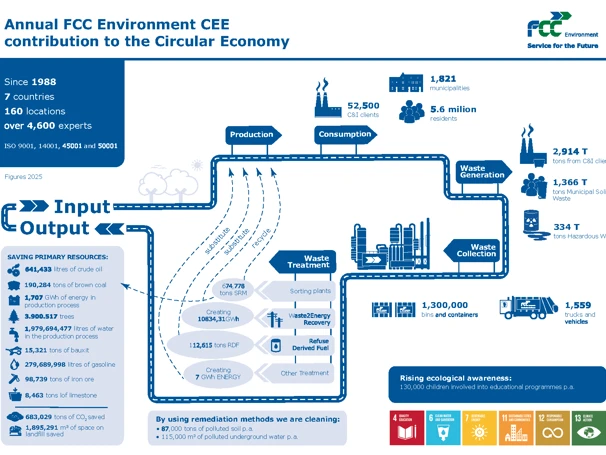
FCC CEE continues to develop waste treatment capabilities across Central and Eastern Europe, combining operational expertise with investment in technologies that support resource recovery and the circular economy.