Why is waste treatment necessary, and what processes does it involve? This overview explains how different treatment methods are used to separate waste, recover materials and energy, reduce certain waste-related risks, and prepare residual waste for controlled disposal.
Why Do We Need Waste Treatment?
Waste is generated by households, businesses, and industrial activities. If it is not appropriately collected and treated, it can present risks to human health and ecosystems and can lead to the loss of materials that may otherwise be recovered.
Depending on its composition and the way it is managed, waste may be associated with:
- human health risks;
- harmful effects on ecosystems;
- greenhouse gas emissions, including methane emissions from landfills;
- the loss of recoverable materials.
The type of treatment applied depends on the composition of the waste, its properties, applicable legal requirements, and the available treatment infrastructure.
Legal Context
The EU Waste Framework Directive defines waste management as the collection, transport, recovery, including the sorting of waste, and disposal of waste, together with the supervision of these activities and the after-care of disposal sites.
The waste hierarchy establishes the following order of priority:
- prevention;
- preparing for reuse;
- recycling;
- other recovery, including energy recovery;
- disposal.
The hierarchy provides a framework for determining how different waste streams should be managed, although the appropriate treatment method depends on the characteristics of the waste and applicable regulatory requirements.
What Is Waste Treatment?
Waste treatment encompasses processes that modify the physical, chemical, or biological characteristics of waste. Depending on the waste stream and the treatment method used, these processes may:
- separate individual waste fractions;
- recover recyclable materials;
- reduce the volume or hazardous properties of waste;
- produce fuels, compost, biogas, electricity, or heat;
- prepare residual waste for controlled disposal.
Key Waste Treatment Methods
1. Selective Collection
Separating waste at its source makes it possible to direct individual materials to the relevant treatment process.
Examples include:
- Biodegradable waste, which may be treated through composting or anaerobic digestion, depending on its composition and quality;
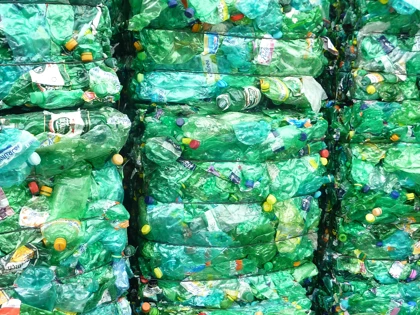
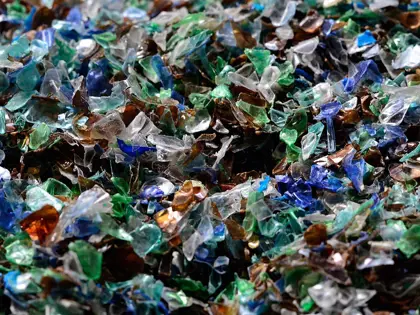
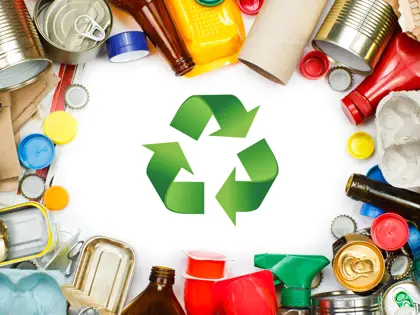
- Secondary raw materials, such as paper, cardboard, plastics, textiles, glass, and metals, which may be sorted and prepared for recycling when they meet the relevant technical and quality requirements.
Whether a material can ultimately be recycled depends on factors such as contamination, material quality, available processing capacity, and demand for the recovered material.
2. Mechanical Treatment (Waste Splitting)
Mechanical treatment, also referred to as waste splitting, is used to process mixed waste streams, including municipal, commercial, and industrial waste.
Depending on the facility and the composition of the input waste, mechanical treatment may be used to:
- remove materials such as stones and metals;
- separate recyclable fractions, including certain plastics, metals, glass, and paper;
- separate high-calorific fractions that can be processed into refuse-derived fuel, or RDF.
Common treatment methods include:
- shredding;
- screening;
- air separation;
- magnetic separation;
- eddy-current separation.
At the FCC Environment CEE RDF facility in Zabrze, Poland, approximately 65,000 to 70,000 tonnes of input waste are processed annually, according to FCC operational data. Approximately 55,000 tonnes of RDF with a calorific value of 10 to 15 MJ/kg are produced annually. The RDF is supplied for use as an alternative fuel in cement kilns.
These operating figures should be read as approximate facility data and may vary according to the volume and composition of incoming waste.
3. Biological Treatment
a. Composting (Aerobic Treatment)
During aerobic composting, biodegradable material is broken down by microorganisms in the presence of oxygen. Subject to meeting the relevant quality and regulatory requirements, the resulting compost may be used as a soil improver in applications such as agriculture or landscaping.
At selected FCC Environment CEE treatment facilities, the biological treatment process includes an intensive composting phase followed by a maturation phase. The exact duration and resulting output quality depend on the process, facility, and characteristics of the input material.
b. Anaerobic Digestion (AD)
During anaerobic digestion, organic material is broken down in the absence of oxygen, producing biogas and digestate.
Depending on its composition and the equipment available:
- biogas may be used to generate electricity and heat;
- biogas may be upgraded to biomethane;
- digestate may be used as fertiliser or soil improver if it meets the relevant legal and quality requirements.
Diverting suitable biodegradable waste from landfill may avoid methane emissions that would otherwise arise from its decomposition under landfill conditions. The scale of the avoided emissions depends on the waste composition, treatment pathway, and calculation methodology.
Explore FCC CEE’s mechanical-biological treatment facilities.
4. Thermal Treatment (Waste-to-Energy)
Where reuse or recycling is not technically or economically feasible, suitable residual waste may undergo thermal treatment.
Waste-to-Energy facilities use controlled combustion to treat waste and recover energy in the form of electricity and heat. The process also reduces the volume of waste requiring final disposal. Its overall environmental performance depends on factors including the composition of the incoming waste, plant efficiency, emissions-control systems, and the use made of the recovered energy.
According to facility data, the FCC Waste-to-Energy plant in Zistersdorf, Austria, generates approximately 192 GWh of energy per year. Any comparison with household consumption should identify the source and assumptions used to calculate the number of household equivalents.
Residual materials from the thermal treatment process, such as ash and slag, are managed in accordance with their properties and applicable legal requirements. Where further recovery is not possible, residual materials are disposed of in controlled facilities.
Recovering Materials and Energy from Waste
Waste-treatment facilities can separate certain materials from mixed waste streams and prepare them for further processing. Depending on the type and quality of the waste, treatment may produce:
- recyclable material fractions;
- compost or digestate;
- biogas;
- refuse-derived fuel;
- electricity and heat.
These outputs do not automatically mean that all treated waste is recycled or fully returned to the economy. Some fractions may not meet the relevant technical or quality requirements and must therefore undergo further treatment or controlled disposal.
Mechanical-biological treatment plants, for example, can recover selected recyclable materials and produce RDF from suitable high-calorific fractions. When RDF replaces a conventional fuel, the resulting difference in greenhouse gas emissions depends on the fuels compared, their composition, transport distances, combustion conditions, and the methodology used.
For this reason, environmental benefits should be quantified only where a documented calculation and clearly defined comparison are available.
Waste Treatment in Europe
Eurostat publishes information on waste generation and treatment in the European Union. According to the data cited in the original version of this article, more than 2.2 billion tonnes of waste were generated in the EU in 2020.
Because Eurostat statistics may distinguish between different recovery, disposal, and incineration categories, percentages should be accompanied by a direct reference to the relevant Eurostat dataset, reporting year, and category definitions before publication.
Supporting the Circular Use of Materials
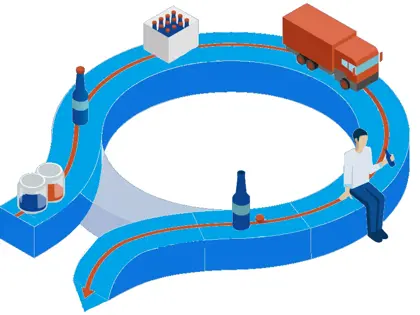
Waste treatment is one part of the broader waste-management system. Prevention and reuse remain higher priorities under the waste hierarchy. Where waste cannot be prevented or reused, sorting and treatment can help identify materials suitable for recycling, recover energy from selected residual fractions, and prepare remaining waste for controlled disposal.
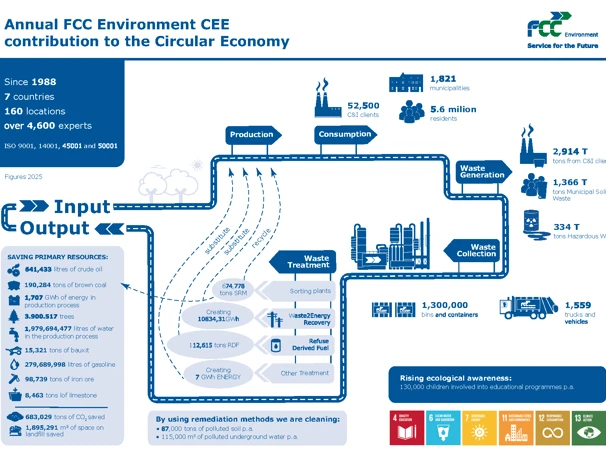
At FCC Environment CEE Group, our activities include the collection, sorting, treatment, recovery, and disposal of different waste streams. The treatment method applied depends on the characteristics of the waste, available technology, and applicable regulatory requirements.